Trump says violence in Nigeria targets Christians. The reality is more nuanced
Trump Orders Christmas Day US Strike on ISIS Camps in Northwest Nigeria
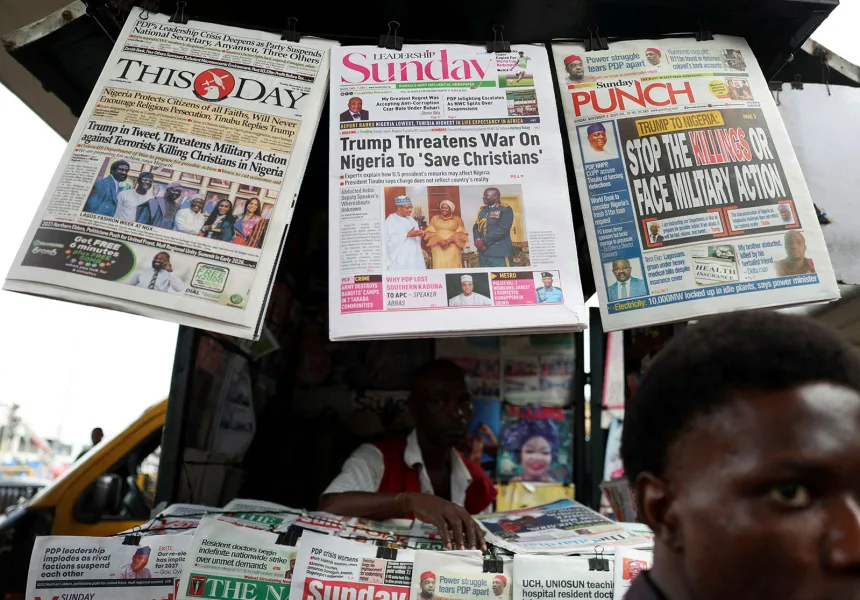
After months of warnings that the United States could take military action to halt violence against Christians in Nigeria, President Donald Trump announced on Christmas Day that a deadly strike had been carried out against Islamic State (ISIS) terrorists operating in the country’s northwest region.
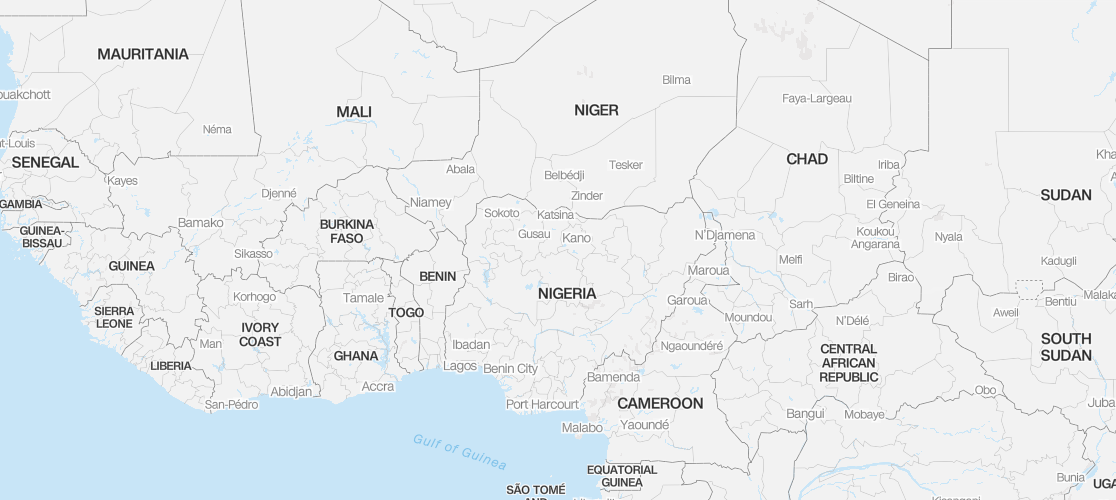
According to the US Africa Command (AFRICOM), the strike was conducted in Sokoto State, which borders Niger to the north, and was carried out in coordination with Nigerian authorities. AFRICOM said its initial assessment indicated that multiple ISIS terrorists were killed at the targeted camps.
Nigeria’s Information Minister, Mohammed Idris, confirmed that the operation took place in the Bauni Forest area of Tangaza, targeting two major ISIS enclaves described as key assembly and planning grounds for terrorist attacks. He stated that the targets were successfully neutralized.
Trump Delayed Strike to Christmas Day
Trump later told Politico that the strike had originally been scheduled for December 24 but was delayed by one day. He said the decision was intentional, describing it as a “Christmas present” for the terrorists. “They didn’t think that was coming, but we hit them hard. Every camp got decimated,” the president said.
Nigerian Foreign Minister Yusuf Tuggar disclosed that he had spoken with US Secretary of State Marco Rubio before the strike and confirmed that President Bola Ahmed Tinubu approved the operation.
Security Challenges in Northwest Nigeria
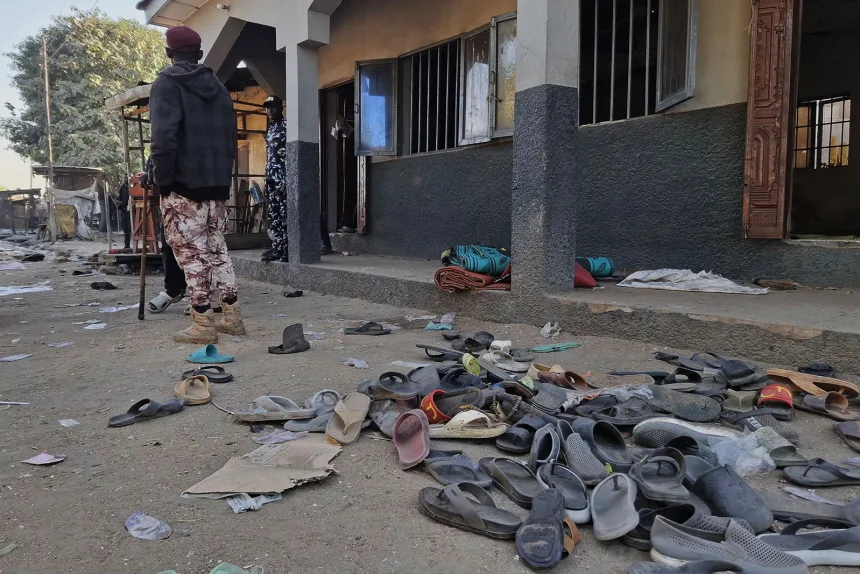
Nigeria has battled deep-rooted security challenges for years, driven by a mix of factors including terrorism, banditry, ethnic clashes, and disputes between farmers and herders over scarce resources. The northwest region, especially Sokoto and neighboring states, has been plagued largely by criminal bandit groups, although links with ISIS-affiliated fighters have increased in recent years.
Security analysts suggest that groups such as Lakurawa, a lesser-known offshoot of Boko Haram, may have been among those targeted. Lakurawa operates in forested areas across northwestern Nigeria and was officially declared a terrorist organization by Nigerian authorities earlier this year.
Christians and Muslims Among Victims
While Trump has emphasized the persecution of Christians, experts note that the violence affects both Christians and Muslims. Nigeria’s population of over 230 million people is roughly split between the two religions, with Christians concentrated mainly in the south and Muslims in the north.
According to available conflict data, civilians from both faiths have been killed by extremist groups. Analysts argue that framing the violence as exclusively targeting Christians oversimplifies a much more complex security crisis that impacts communities regardless of religion.
Calls for Broader Strategy
Military analysts have cautioned that while US airstrikes may disrupt ISIS operations in the short term, they are unlikely to resolve Nigeria’s long-standing security problems without a broader, sustained strategy addressing economic hardship, governance failures, and regional instability.
Former Nigerian Senator Shehu Sani echoed this view, stating that lasting peace in Nigeria depends primarily on domestic efforts rather than foreign military intervention alone.
Tinubu Reaffirms Commitment to Religious Freedom
Although President Tinubu has not directly commented on the strike, he shared a Christmas message reaffirming his commitment to protecting all Nigerians. “I stand committed to doing everything within my power to enshrine religious freedom in Nigeria and to protect Christians, Muslims, and all Nigerians from violence,” he said.
For more in-depth coverage of breaking news, security developments, and global affairs, visit www.cjsoftflix.com, your trusted hub for timely and reliable media updates.