Follow us for more on
Reps probe tax law tweaks, PDP demands suspension
Reps Probe Alleged Alteration of Tax Laws as PDP Demands Six-Month Delay
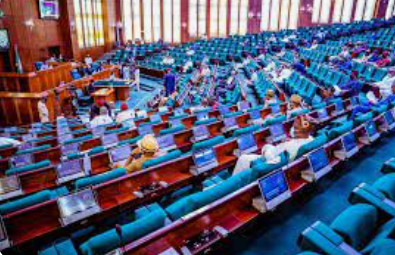
The House of Representatives on Thursday constituted a seven-man ad hoc committee to investigate alleged discrepancies between the tax reform bills passed by the National Assembly and the official gazetted copy currently in circulation across government agencies.
The development came as the Peoples Democratic Party (PDP) demanded that the Federal Government further shift the January 1, 2026 take-off date of the new tax laws by an additional six months, citing alleged illegal alterations made to the legislation after parliamentary approval.
PDP Seeks Delay Over Alleged Illegal Alterations
The opposition party argued that postponing implementation would allow for a thorough investigation and enable “sufficient enlightenment campaigns on the new Act” for Nigerians.
President Bola Ahmed Tinubu recently signed four major tax reform bills into law, describing them as the most comprehensive overhaul of Nigeria’s tax system in decades. The laws include:
- Nigeria Tax Act
- Nigeria Tax Administration Act
- Nigeria Revenue Service (Establishment) Act
- Joint Revenue Board (Establishment) Act
All four laws operate under a single authority, the Nigeria Revenue Service, and are designed to simplify compliance, expand the tax base, eliminate multiple taxation and modernise revenue collection across all tiers of government.
Lawmaker Raises Alarm Over Gazetted Version
The controversy was triggered on Wednesday when a PDP lawmaker from Sokoto State, Abdussamad Dasuki, raised concerns on the floor of the House over alleged differences between what lawmakers passed and what was gazetted by the Federal Government.
Dasuki warned that the alleged insertions and substitutions, if confirmed, could render the new tax laws legally vulnerable since they lacked legislative approval.
“This is a breach of the Constitution and our laws, and this should not be taken lightly by this Honourable House,” Dasuki said, calling for a side-by-side review of both documents.
Reps Set Up Seven-Man Committee
At Thursday’s plenary, Speaker Tajudeen Abbas described the allegations as serious and announced the immediate constitution of an ad hoc committee to investigate the matter.
The committee members are:
- Mukhtar Betara – Chairman
- Idris Wase
- James Faleke
- Sada Soli
- Igariwey Iduma
- Fredrick Agbedi
- Babajimi Benson
According to Abbas, the committee will examine the claims and submit its report for further legislative action.
PDP Warns Against “Sweeping Matter Under the Carpet”
Reacting on Thursday, the PDP commended Dasuki for what it described as his courage and diligence, while insisting that the commencement date of the Tax Act be shifted by at least six months.
The party warned that the alleged insertion of unenacted provisions could erode public trust in parliamentary processes.
“This criminal act of inserting unenacted sections into laws can erode public trust in parliamentary enactments. Nigerians deserve assurance that the laws they obey are those validly passed by their elected representatives,” the PDP said.
Opposition Groups Demand Suspension
The PDP’s position echoed calls by the National Opposition Movement (NOM), which on Wednesday demanded the immediate suspension of the tax reforms, warning that implementation would worsen poverty and hardship.
Speaking at a press conference in Abuja, NOM spokesperson Chille Igbawua described the planned rollout as “punitive” and insensitive to Nigerians grappling with rising living costs.
“You cannot tax hunger. You cannot tax poverty. And you cannot tax people into prosperity,” Igbawua said.
Federal Government Pushes Back
The Federal Government, however, rejected the criticisms, insisting that the reforms are pro-poor and aimed at improving revenue generation without harming ordinary Nigerians.
The President’s Special Adviser on Economic Affairs, Tope Fasua, said the reforms were being deliberately misrepresented by some individuals seeking to undermine them.
“This is a pro-poor policy — one designed to recalibrate the revenue of this country in a way that ensures the poorest Nigerians are not harmed, except positively,” Fasua said.
Tax Reforms Still Set for January 2026
Despite the controversy, the Federal Government maintains that implementation will begin on January 1, 2026, following a six-month transition period for public education and system alignment.
Key provisions of the reforms include:
- Tax exemptions for small businesses
- Reduced tax burden for workers and the middle class
- Lower corporate tax rates
- Harmonisation of federal, state and local taxes
- Removal of nuisance taxes
As investigations begin, Nigerians await the findings of the House committee, which could determine whether the landmark tax reforms proceed as planned or face further delays.
For continuous updates on tax reforms, governance, and national policy developments, visit www.cjsoftflix.com for credible and timely news coverage.
Comment Section