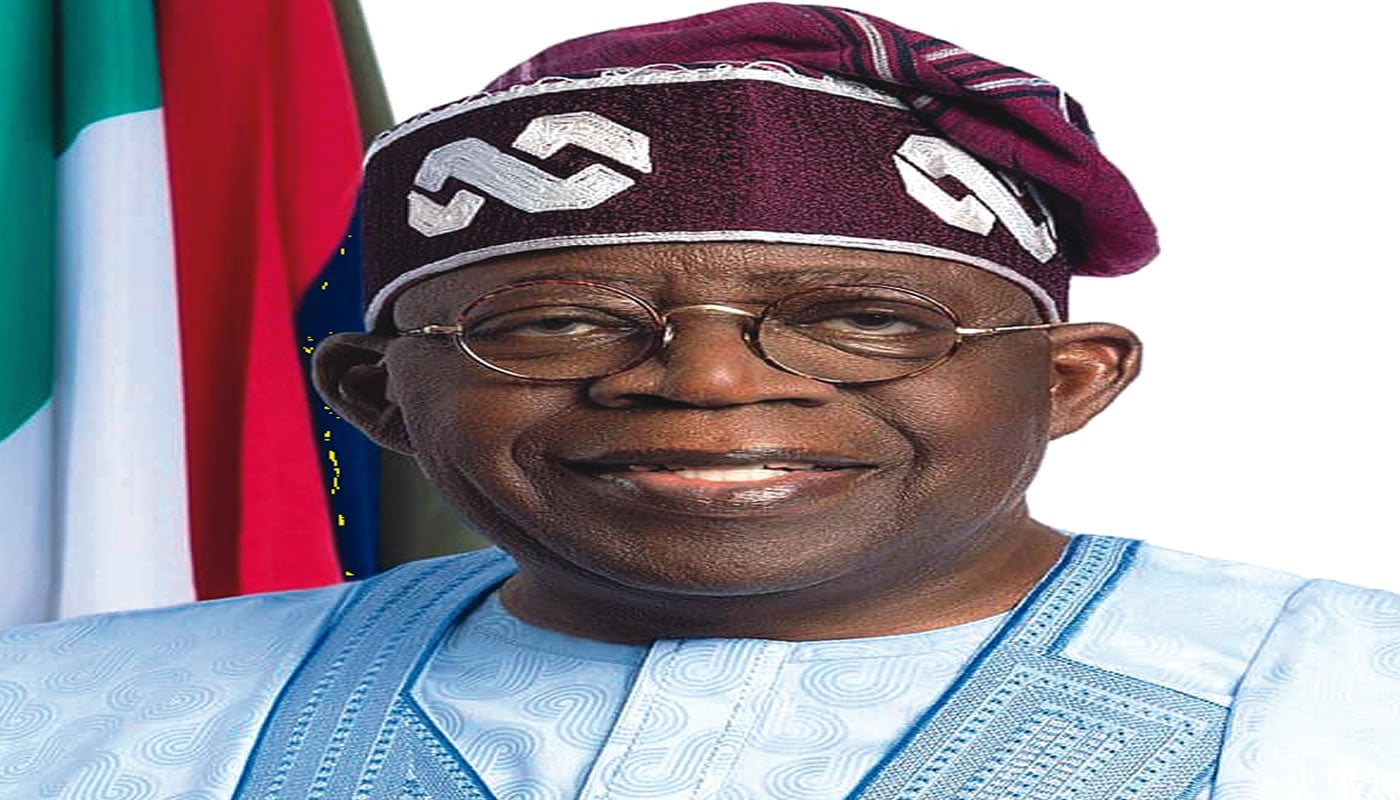
FG pushes for N17.89tn new loans to finance 2026 budget
FG to Borrow N17.89tn in 2026 as Revenue Declines and Budget Deficit Widens
The Federal Government is set to borrow a record-breaking N17.89tn in 2026 to fund a rapidly expanding budget deficit, according to the 2026 budget framework obtained from the Budget Office of the Federation and reviewed by www.cjsoftflix.com. This represents a steep 72% rise in new borrowing compared to the N10.42tn projected for 2025.
The 2026 Abridged Budget Call Circular issued by the Ministry of Budget and Economic Planning shows that while overall government expenditure will slightly reduce next year, revenue shortfalls have widened significantly—forcing reliance on heavy borrowing to sustain operations.
Deficit Jumps to N20.12tn
The fiscal deficit is projected to climb from N14.10tn in 2025 to N20.12tn in 2026, an increase of over N6tn. Despite the massive jump, the deficit-to-GDP ratio is expected to drop marginally from 4.17% to 3.61% due to an expanded GDP base. It is forecast to ease further to 3.24% in 2027 and 1.92% in 2028.
Revenue Plummets by N8.67tn
A key driver of the deficit is declining revenue. The amount available for federal spending (excluding government-owned enterprises) will fall sharply from N38.02tn in 2025 to N29.35tn in 2026—a 23% drop. Revenues are only expected to modestly recover in 2027 and 2028.
Domestic Borrowing to Provide 80% of Loans
The 2026 borrowing structure shows a heavy reliance on the domestic market. Out of N17.89tn planned borrowing:
- N14.31tn (80%) will come from domestic creditors.
- N3.58tn (20%) will come from external borrowing.
This continues the same borrowing pattern from 2025 and is projected to remain unchanged through 2027 and 2028. Across the 2026–2028 period, the Federal Government plans to borrow a total of N54.91tn, with domestic lenders providing N43.92tn.
Debt Service to Revenue Ratio Jumps to 45%
Nigeria’s debt service burden is also set to increase. Debt servicing will rise from N13.94tn in 2025 to N15.52tn in 2026. This pushes the debt service-to-revenue ratio from 34% to a worrying 45%, meaning nearly half of federal revenue will be used to repay debts.
The ratio is expected to worsen to 53% in 2027 before dropping slightly to 47% in 2028. Experts warn that this level of debt exposure could severely weaken Nigeria’s fiscal stability.
Capital Spending Falls as FG Rolls Over 70% of 2025 Projects
Capital expenditure will decline from N26.19tn in 2025 to N22.37tn in 2026 after the Federal Government ordered MDAs to roll over 70% of their 2025 capital allocation into the new year.
This measure is intended to prevent duplication and ensure completion of ongoing projects, but experts warn it also reflects poor budget implementation in 2025.
Experts Raise Concerns Over Rising Debt and Sustainability
Economic experts who spoke with www.cjsoftflix.com expressed mixed reactions. The CEO of the Centre for the Promotion of Private Enterprise, Dr. Muda Yusuf, warned that the growing deficit threatens Nigeria’s fragile macroeconomic stability.
According to him, “High levels of deficits and debt can choke the fiscal space and create a vicious cycle of borrowing,” adding that inflation and exchange rate pressures could worsen if the government fails to act prudently.
The President of the Nigerian Economic Society, Professor Adeola Adenikinju, cautioned that excessive domestic borrowing would crowd out private sector investment. He noted that banks may prefer lending to the government rather than businesses, raising interest rates and deepening economic hardship.
Debt Without Development – Stakeholders Warn
Civil society groups speaking at a debt sustainability dialogue in Abuja warned that Nigeria is accumulating debt with little development impact.
Mr. Ikenna Ofoegbu of Heinrich Böll Stiftung emphasized that Nigeria’s growing debt burden will be carried by future generations who may not benefit from today’s borrowing. He also highlighted the link between climate disasters and economic losses, noting that the 2022 floods alone cost Nigeria $9.12bn in damages.
BudgIT’s Acting Country Director, Joseph Amenaghawon, stated that borrowing is increasingly funding consumption, not development. He warned that “a generation is being borrowed against but not invested in.”
A Call for Transparency and Fiscal Discipline
Stakeholders urged the government to ensure every loan is traceable and tied to measurable outcomes. They also pushed for stronger transparency to prevent Nigeria from falling deeper into unsustainable debt.
As Nigeria approaches the 2026 fiscal year, the rising deficit, heavy reliance on domestic borrowing, and soaring debt service costs signal a challenging economic period ahead—one that demands stronger discipline, accountability, and results-driven budgeting.